

When we talk with drivers around Overland Park Metro, one thing comes up again and again: people want their cars to look good for years, not just months. That’s exactly why paint protection film has become such an important long-term investment for our community. It’s not just a cosmetic upgrade, and as part of the team here, we see every day how much value it brings to locals who drive through I-435, US-69, and the busy suburban streets connecting Olathe, Lenexa, Shawnee, Leawood, and Prairie Village.
The reality is that our cars deal with a lot. Suburban parking means door dings and carts rolling around, the daily commute brings loose gravel and construction debris, and seasonal weather swings, from icy mornings to humid summers, make unprotected paint age faster than most people expect. That’s where a proper PPF installation makes all the difference. When applied correctly, this protective layer absorbs the abuse your clear coat would normally take, helping the vehicle hold its gloss, clarity, and resale value for years.
As a team that installs this material every day on our own cars and our customers’ vehicles, we know how much trust drivers in Overland Park Metro place in long-term solutions. And PPF is one of the most effective tools we have for preserving a vehicle’s finish in real-world conditions.
What Determines the Lifespan of Paint Protection Film?
The lifespan of paint protection film is usually between 5 and 10 years, depending on the brand, the environment, and how the vehicle is cared for. Here in Overland Park Metro, most drivers fall right in the middle of that range due to our mix of Midwest climate, sun exposure, and commuter traffic. Factors that influence how long PPF lasts:
- Film quality: Higher-end films are engineered for better long-term protection, stronger adhesives, and more consistent film performance over the years.
- Midwest UV exposure: Kansas sun can be intense, especially in late spring and summer. UV breaks down unprotected clear coat quickly, but PPF is built to resist that oxidation.
- Humidity and temperature swings: The combination of dry cold and humid heat puts constant stress on exposed paint. PPF absorbs much of that stress, slowing the aging process.
- Road debris and physical impact: Construction zones along I-435 and US-69, gravel from work sites, and even daily parking hazards all wear down paint over time. PPF acts as a sacrificial layer that takes the impact instead.
When you combine quality materials with a proper PPF installation and simple maintenance, the film can last close to the upper range of its expected lifespan. The goal is always the same: give the vehicle consistent, reliable protection against the elements.
How Overland Park Metro Roads and Weather Affect PPF Longevity
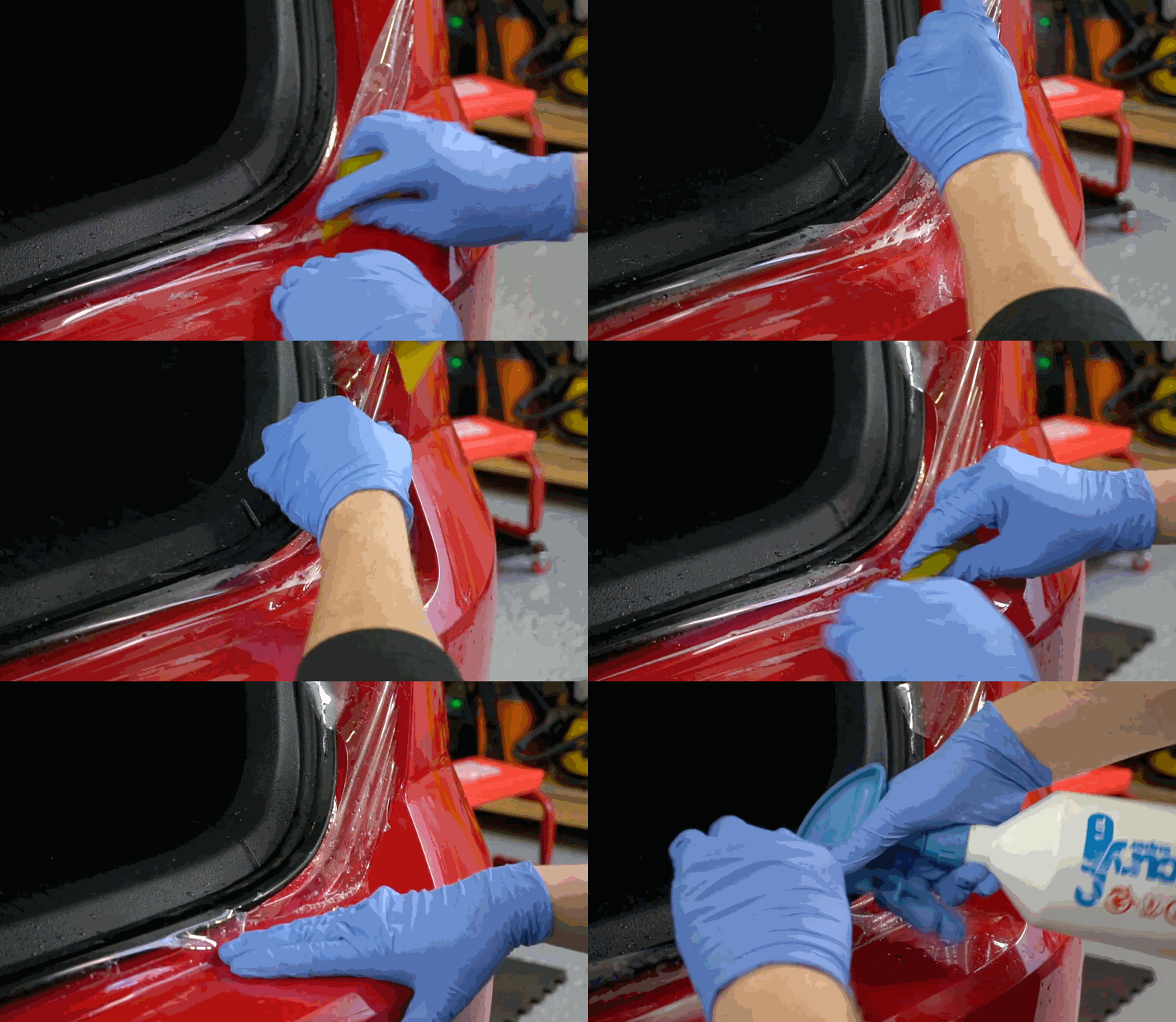
Living and driving in Overland Park Metro comes with its own environmental challenges, and that’s exactly why we tailor our recommendations based on where you live, whether it’s Olathe, Lenexa, Shawnee, Leawood, or Prairie Village.
Weather factors that impact PPF durability:
- Hail seasons: Kansas weather is unpredictable, and hailstorms can strike suddenly. PPF won’t stop dents, but it does help reduce paint chipping and surface damage.
- Winter road treatments: Salt, sand, and chemical de-icers accelerate corrosion and wear. PPF acts as a barrier between those harsh treatments and your paint.
- Sudden temperature swings: We all know the classic Kansas day: freezing in the morning, warm by afternoon. Temperature changes create expansion and contraction in paint that PPF helps stabilize.
- Humidity and summer heat: High humidity can speed up oxidation, while peak summer temperatures take a toll on unprotected clear coat. PPF shields the surface and minimizes UV damage.
Local driving conditions that influence wear:
- Heavy construction zones throughout the Metro area
- Loose gravel near highway work sites
- Daily suburban traffic routes full of trucks, landscaping trailers, and delivery vehicles
- Tight parking lots where scratches and scuffs are common
This mix of Midwest driving conditions, constant debris exposure, and rapid weather shifts all contribute to long-term wear on your vehicle’s paint. With paint protection film, you create a durable, flexible shield that absorbs the abuse your car would otherwise collect over the years. It’s one of the most reliable layers of road hazard protection available in our area and one of the most effective ways to prevent long-term paint damage on Kansas roads.
The Role of Professional PPF Installation in Long-Term Performance
One thing we emphasize constantly as a team is that the longevity of paint protection film isn’t only about the material you choose. The real difference comes from the craftsmanship behind the PPF installation. When a film lasts its full lifespan here in Overland Park Metro, it’s almost always because the installer treated every step with precision.
Why craftsmanship matters so much
- Surface prep determines adhesion
Proper paint decontamination, correction, and degreasing allow the film to bond cleanly. Even microscopic residue can shorten the lifespan of the film. - Alignment and cutting accuracy protect the edges
Clean lines, minimal stretching, and precise alignment ensure the film sits naturally on the panel. Poor alignment leads to edge lifting, premature film wear, and water intrusion. - Contamination control protects the finish
Dust, pollen, and lint are constant concerns in Kansas. Without a clean environment, debris can get trapped under the film, creating texture, lifting, and weak spots. - Controlled installation space
A climate-stable workspace helps the film settle correctly. Temperature and humidity matter more than people realize, especially during curing.
This is where local knowledge becomes invaluable. In the Overland Park Metro area, humidity swings and fast temperature changes can affect curing times. An installer who understands how Kansas weather behaves can adjust installation and curing methods to ensure long-term durability.
Here at Luxe Tint and Graphics, we approach each professional film application with that level of detail because it’s what keeps the film performing for years. It’s not about selling a product; it’s about applying it in a way that genuinely benefits the vehicle and the owner. A certified installer who understands both PPF technology and the local climate ultimately gives the film its best chance at a long, reliable lifespan.
Signs Your Paint Protection Film Is Reaching the End of Its Lifespan
Even the best installations eventually show their age. PPF maintenance includes knowing what early wear looks like so you can address minor concerns before they become bigger issues.
Early indicators you may notice:
- Faint discoloration in high-impact areas
- Reduced clarity, especially on hood and bumper panels
- Light edge wear, where small lifting or softness begins to appear
- Minor loss of gloss compared to protected panels
These early signs are normal for films that have been exposed to several years of Midwest weather, and they don’t necessarily mean replacement is needed right away.
Advanced aging signs that indicate the film is nearing replacement:
- Yellowing or enhanced discoloration: Most often from years of UV exposure and environmental contaminants.
- Peeling or edge lifting: A sign that the adhesive has begun to break down.
- Cracking or brittleness: Usually caused by prolonged heat cycles and oxidation.
- Loss of self-healing capability: When the film no longer recovers from minor swirls or scuffs, its topcoat is nearing the end of its protective lifespan.
Understanding what’s normal helps you avoid unnecessary worry. A film with small cosmetic changes can still offer solid protective layer performance, while advanced deterioration is simply the film doing its job over many years of Kansas driving.
How to Maximize the Lifespan of Your Paint Protection Film
We always tell customers in Overland Park Metro that taking care of PPF isn’t complicated. A few simple habits go a long way in extending the life of your paint protection film, especially when dealing with our local environment. Here you have some practical PPF aftercare tips:
- Wash regularly with pH-neutral soap: This prevents buildup from pollen, dust, and contaminants.
- Dry the vehicle with clean microfiber towels: Proper drying reduces water spotting, especially during humid summers.
- Avoid abrasive brushes or automatic car washes: These cause unnecessary micro-scratches and stress on the film’s topcoat.
- Use gentle detailing sprays for added lubrication: Helpful during pollen-heavy seasons or after passing gravel trucks near construction zones.
- Remove tree sap quickly: Many neighborhoods in Leawood, Prairie Village, and Shawnee have mature trees that drop sap in warmer months.
Local considerations that matter
Overland Park Metro drivers deal with unique conditions:
- Pollen season, which leaves a sticky film on the surface
- Loose gravel from highway construction, especially along I-435 and US-69
- Tree-lined neighborhoods where sap and organic debris land on vehicles daily
- Winter road treatments, which add chemical residue to the film
These factors make consistent maintenance tips essential for keeping the film clear and strong for as long as possible.
At Luxe Tint and Graphics, we always walk customers through proper vehicle washing methods during pickup because good habits dramatically extend film life. The goal isn’t to add work to your routine, but to help your film look better and last longer with small, realistic steps that fit daily driving in Overland Park Metro.
When to Consider Replacing Your PPF in Overland Park Metro
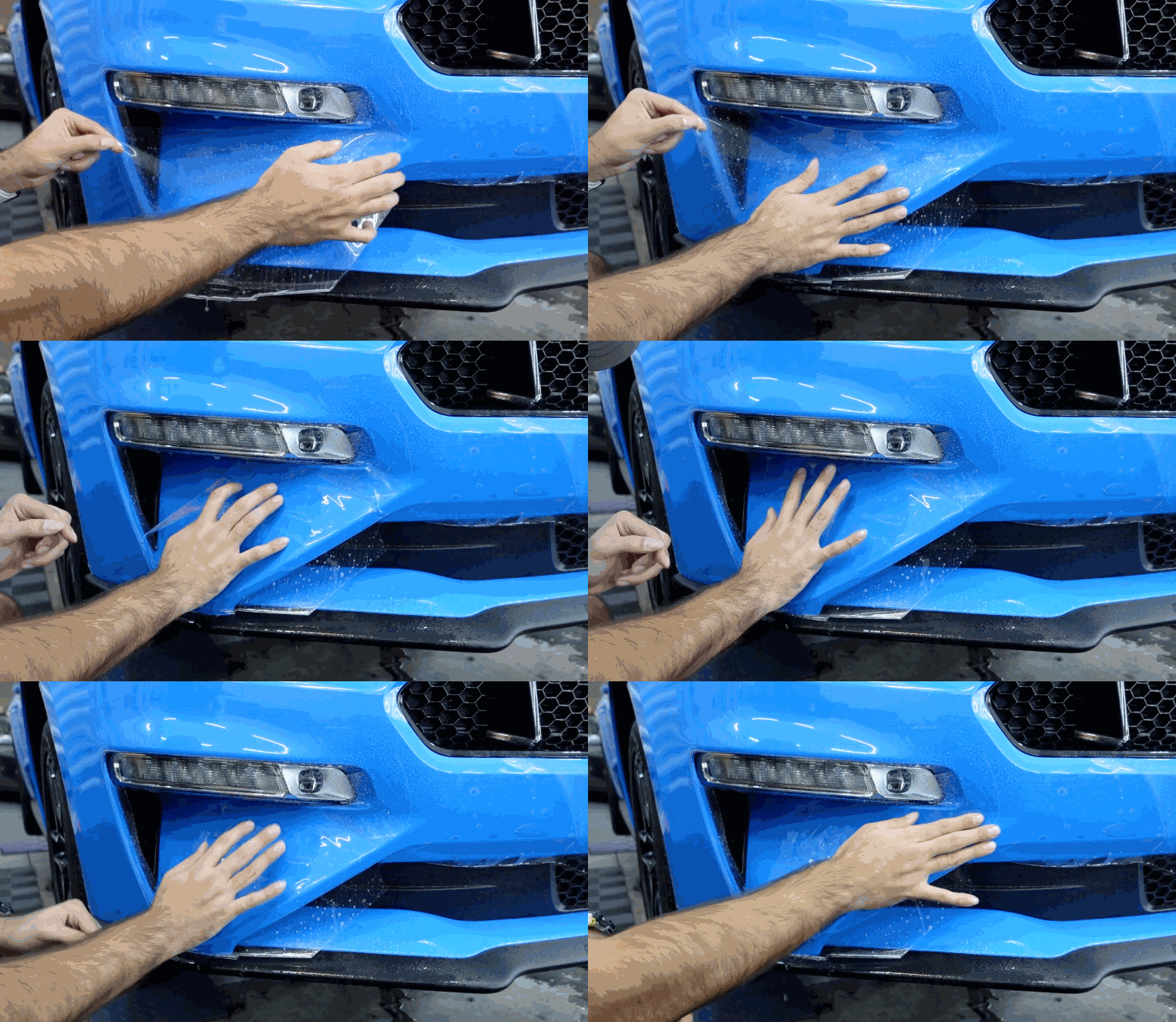
As a general rule, paint protection film in our region lasts anywhere from 5 to 10 years, but the exact timing depends heavily on how and where you drive. Here in the Overland Park Metro area, we see clear patterns in film aging based on different driving lifestyles.
Conditions that influence when replacement becomes necessary:
- Highway commuters putting frequent miles on I-435, I-35, or US-69: If most of your driving involves these major corridors, your PPF endures more gravel strikes, wind pressure, construction debris, and bug impacts. For these vehicles, paint protection film replacement usually happens closer to the earlier side of the lifespan range.
- Vehicles kept in garages most of the time: These cars are generally exposed to less UV, less humidity, and fewer airborne contaminants. In these cases, PPF can often last toward the upper lifespan limit.
- Vehicles parked outside in neighborhoods like Olathe, Shawnee, or Prairie Village: Daily exposure to sun, temperature swings, tree sap, and winter frost can age the film more quickly. Outdoor vehicles typically need PPF upkeep and eventual film replacement sooner than garage-kept cars.
- Driving near industrial or construction-heavy areas: If you live or work near commercial zones in Lenexa or parts of Kansas City, the increased dust, debris, and airborne contaminants can age PPF at a faster rate.
From our perspective as installers, deciding when to replace the film is part of long-term vehicle care. It’s not always about how the film looks, either. Once the top layer stops self-healing or you begin to see deep staining and edge degradation, the film is no longer performing at its best. And when PPF stops doing its job, it’s time to consider swapping it out before the paint takes the damage instead.
Conclusion: Getting the Most Out of Paint Protection Film in Overland Park Metro
After installing paint protection film on hundreds of vehicles across Overland Park Metro and all our neighboring communities, we’ve seen just how much of a difference the right material and proper care can make. Whether you commute along I-35 every day, park outdoors in Shawnee, or keep your car spotless in a climate-controlled garage, the combination of expert PPF installation, smart maintenance habits, and timely replacement ensures your vehicle gets the long-term protection it deserves.
What we’ve found is simple: when the film is installed correctly, cared for consistently, and replaced at the right time, it becomes one of the most valuable tools for preserving your paint in Kansas conditions. It shields against debris, reduces the impact of seasonal weather, and keeps your paint looking newer for longer.
If you ever have questions about your film’s condition, lifespan expectations, or whether it’s time to consider a replacement, our team at Luxe Tint and Graphics is always happy to help. Just reach out to us, no pressure, no rush. We’re here to make sure your vehicle stays protected and looking its best for years to come.
Luxe Tint and Graphics

Address:
7320 W 162nd St Suite 103, Overland Park, KS 66085, United States
Phone:
(913) 413-2371
Google Reviews:
Reviews from the web